Advancing health equity through education, clean water, and sustainable healthcare in rural Guatemala.
Resol Global Health is a non-profit organization (501(c)(3) status pending) with a three-fold mission to decrease health disparities and promote health and wellness in low resource communities.
Collaborate with local leaders to assess the health needs of individual communities. Address identified disparities through multi-disciplinary partnerships. Provide ongoing health education to low resource communities.
Train local healthcare workers in current practices to improve patient outcomes and reduce morbidity and mortality.
Host regular mobile medical clinics in low-resource communities. Partner with existing healthcare systems to improve quality of care and local infrastructure. Promote sustainable options for consistent and accessible medical care.
Our mission and values relate to the name of our organization: RESOL. This Spanish word roughly translates to sunlight, specifically illuminating sunlight reflected off a surface. The sun has special symbolism and cultural significance for communities all around the world and we derive our values and purpose from what the sun represents.
The sun's light reflects off many different objects. We are the reflection of the work, love and hope of many. We are not just one person or one entity, but the result of the combined efforts, energy and expertise of countless professionals, volunteers, donors, humanitarians, and everyday people both locally and abroad.
The sun gives each and every day and its energy sustains life continuously. Our goal is sustainability - programs that will continue to benefit communities and individuals for years and generations to come.
The sun is freely given to all, it does not discriminate. We support and promote systems where health and wellness is possible for all, regardless of race, ethnicity, gender, or religion.
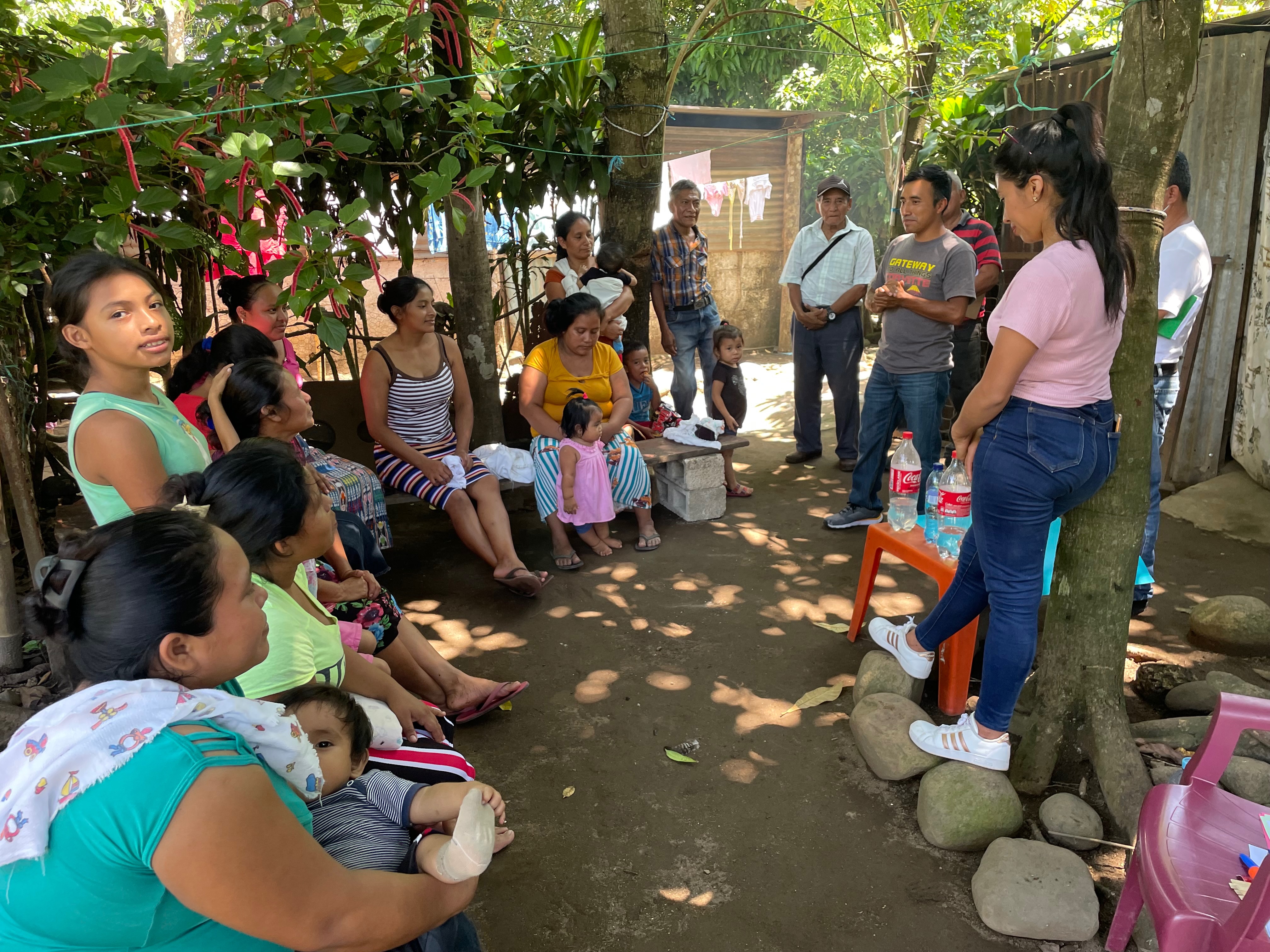
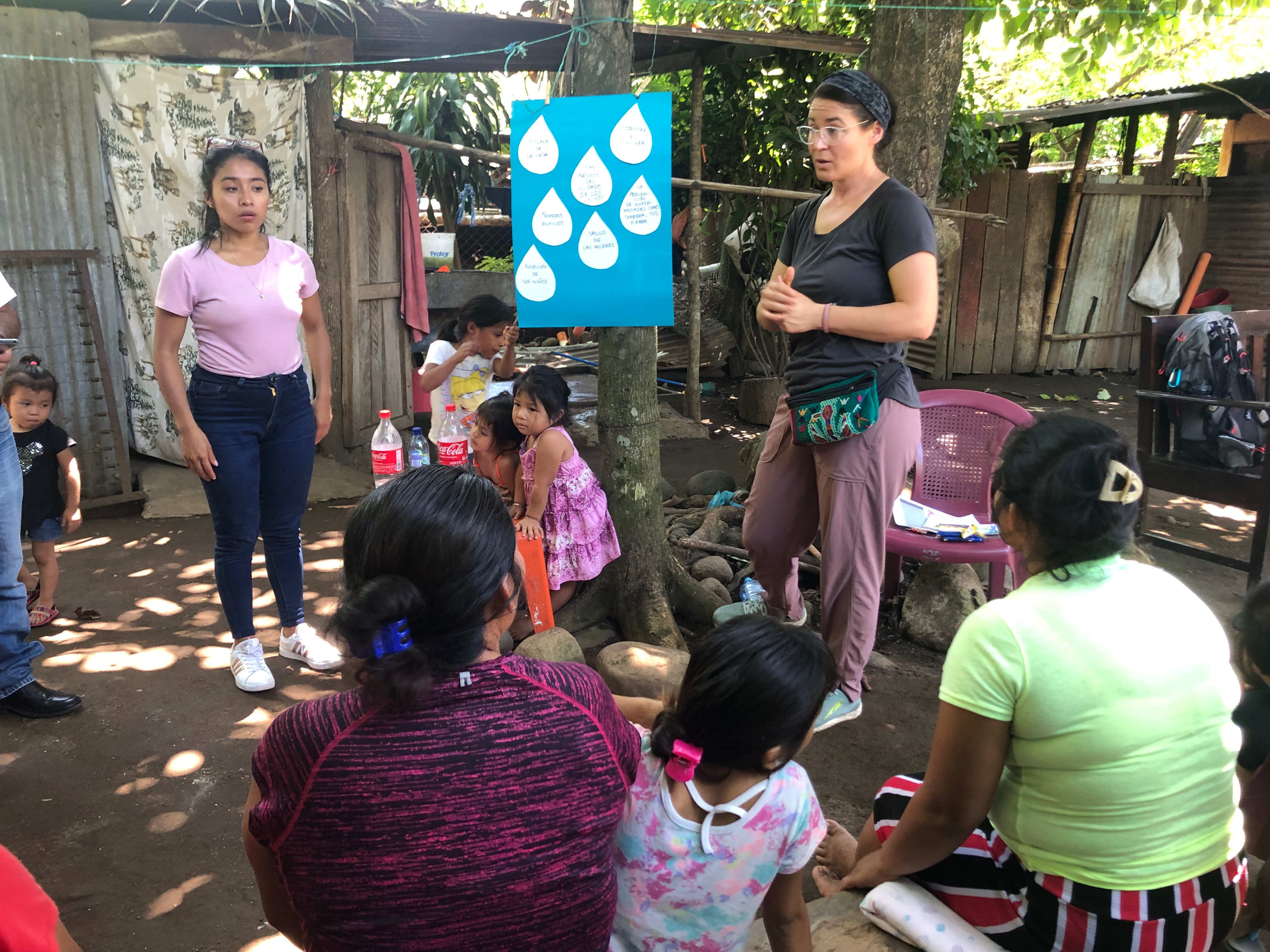
We conduct educational programs targeted towards women in the community. Programs are 6 months long and taught by both local Guatemalan educators as well as foreign healthcare educators and providers. Topics include hygiene and sanitation, nutrition and cooking, wound care, first aid, and women's health.
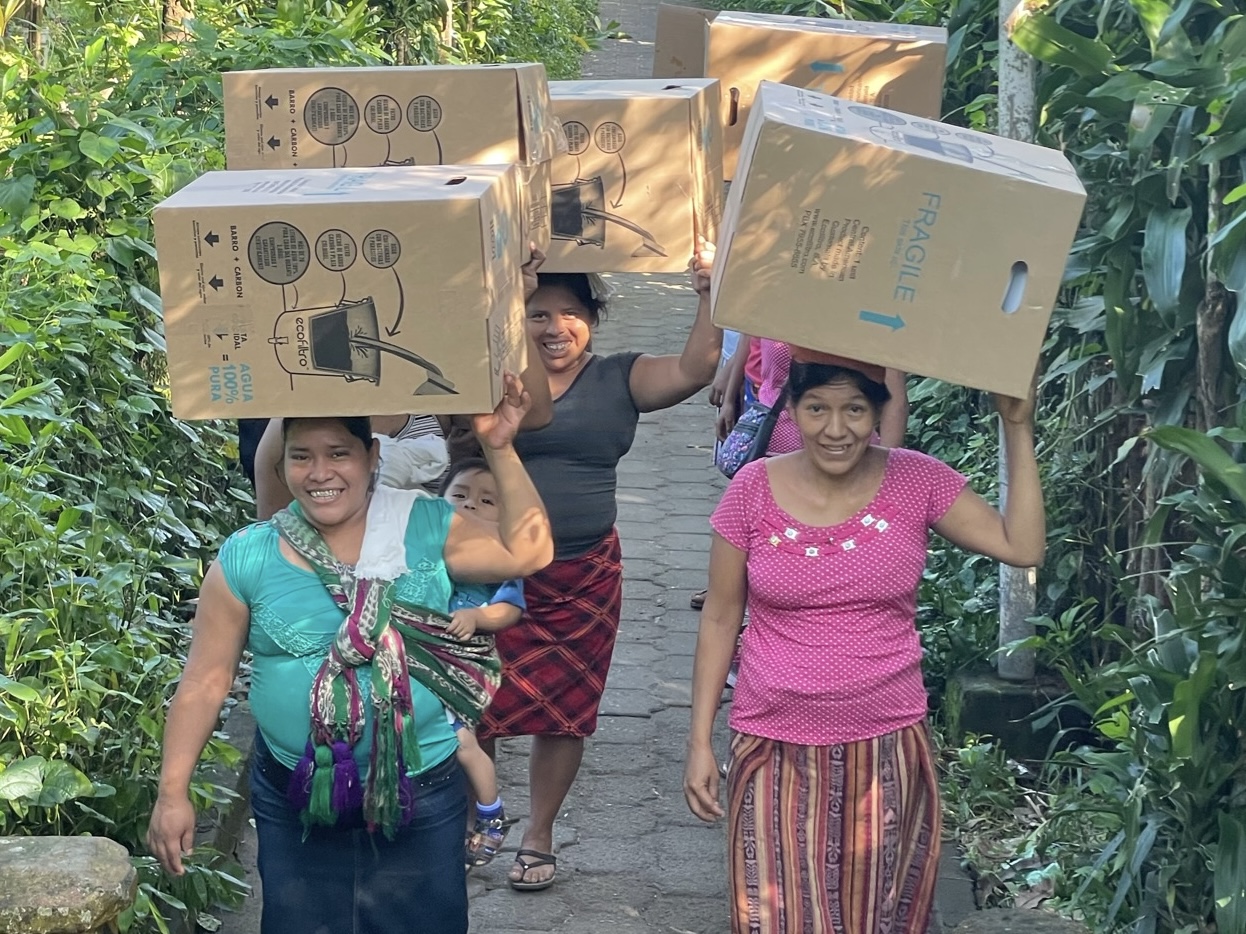
We improve access to water filtration. The villages we work in do not have access to clean, potable water; water is often contaminated by sewage. We partner with Ecofiltros, a local Guatemalan water filtration company, to distribute water filters to community members at an affordable and subsidized price. We provide training for the use and care of these filters.
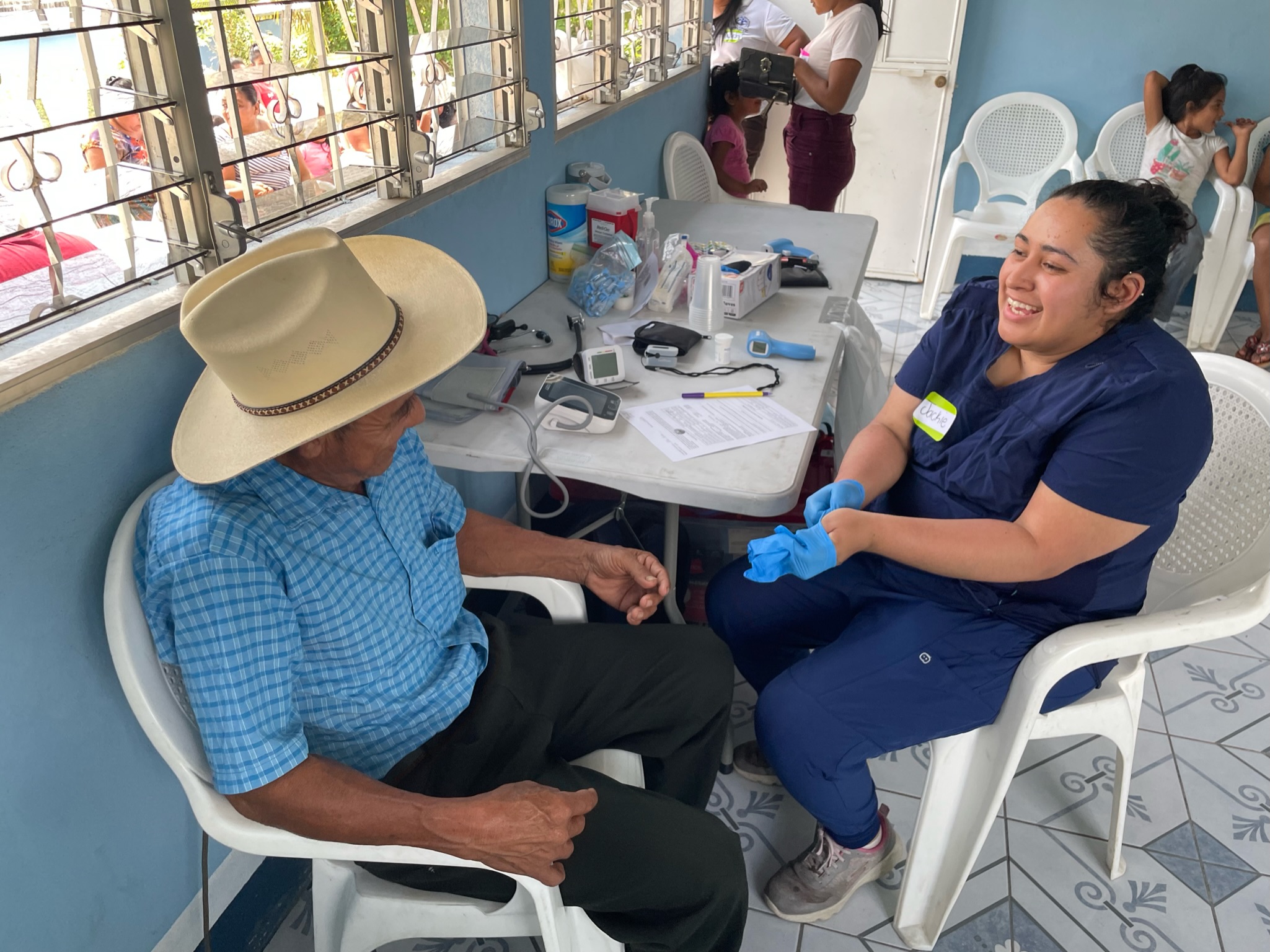
We provide mobile medical clinics to several communities in the Chicacao region staffed by local Guatemalan medical providers and providers from the United States.
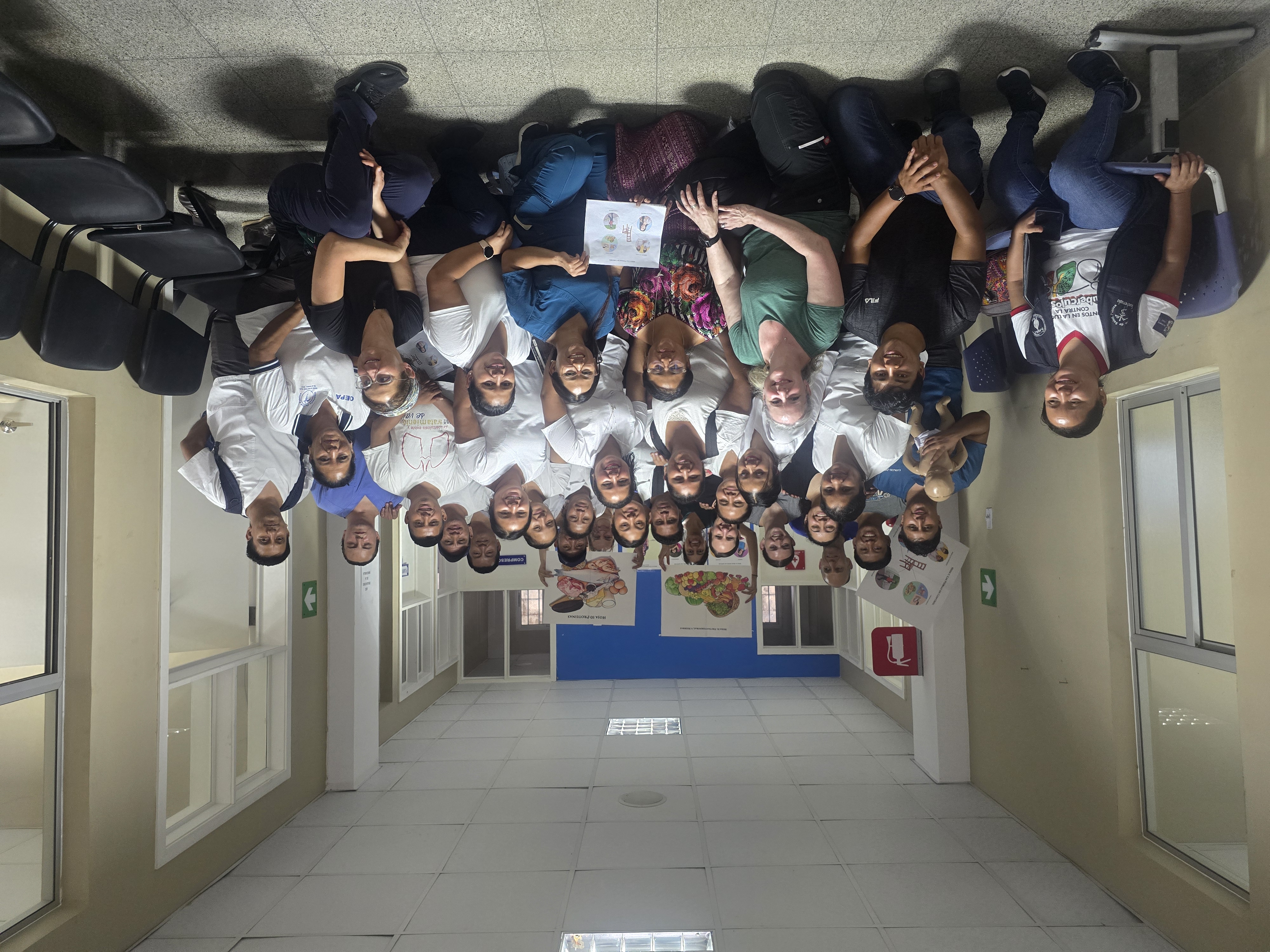
We partner with local ministries of health to strengthen midwife education and skills using Laerdal's Helping Babies Survive curriculum.
Train up community health workers.
Strengthen partnerships with existing local clinics to improve sustainable health care access.
Teach community members an artisan skill as a means to provide income for their families.
Provide smokeless stoves in partnership with Asociacion Tuik Ruchlew to improve pulmonary health.
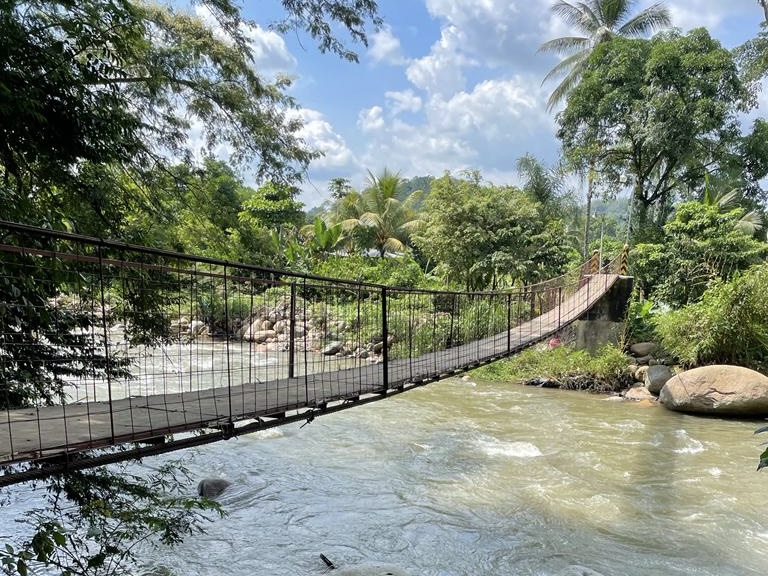
Our current area of focus is the Chicacao region of southern Guatemala. We hope to expand our projects to other communities and other countries in the future.
Guatemala is a beautiful country known for its chocolate, coffee, volcanoes, and lush landscapes. Unfortunately, it is also known for having some of the highest rates of poverty, chronic malnutrition, growth stunting, and maternal-infant mortality when compared to other countries in Latin America and the Caribbean.
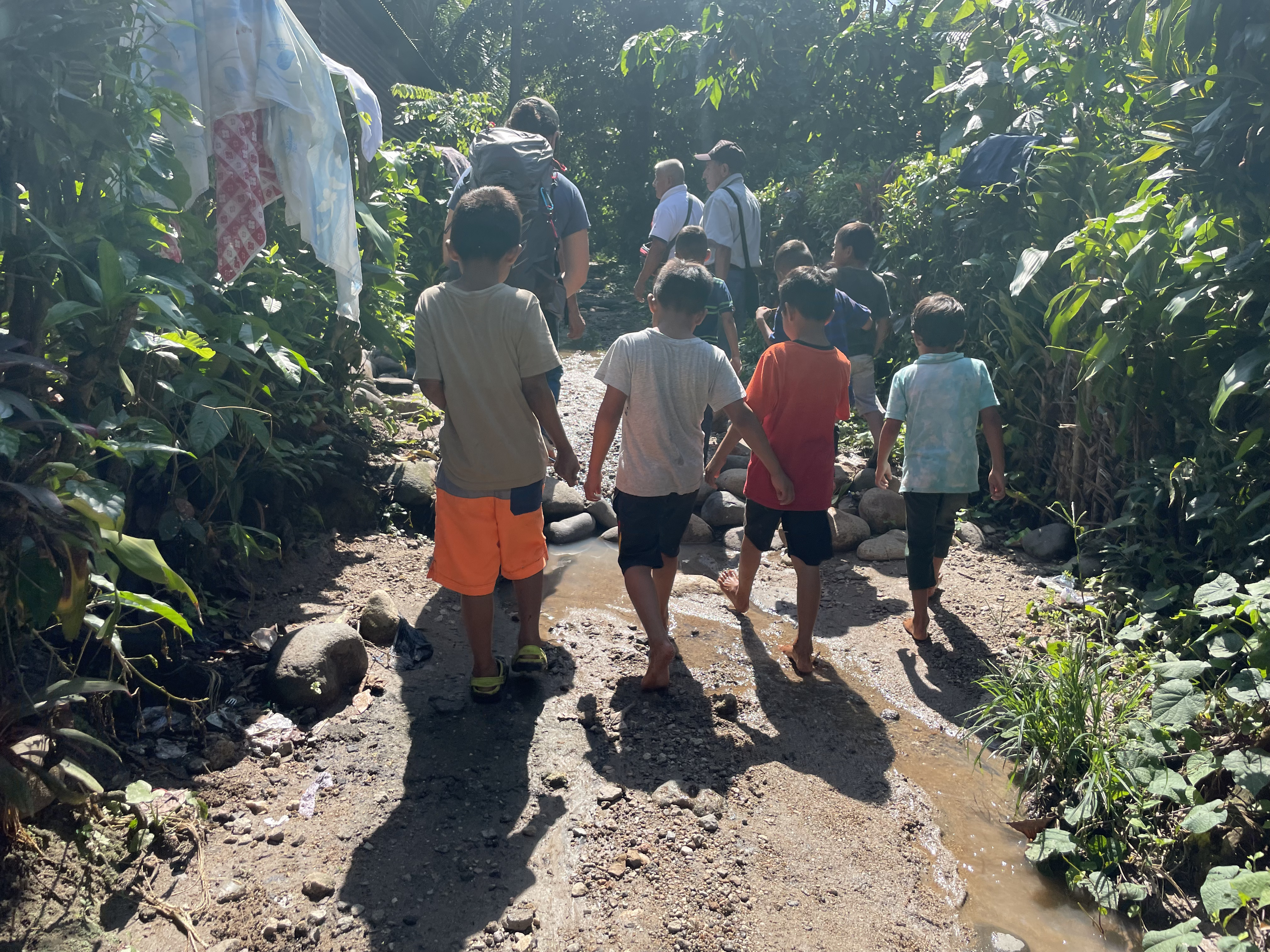
Guatemalans are descendants of the Mayan people and speak either Spanish, one of several Mayan dialects, or both. Rural communities in Chicacao often have limited access to health care and education. Community members attend on average 3-4 years of school, with women typically only attending 1-2 years of elementary school education. Access to local medical clinics ranges from an hour walk to several hours of driving depending on the level of care needed. Communities often lack basic infrastructure such as sewage systems, garbage disposal, and access to clean water. Men typically work in labor intensive jobs, primarily agriculture, and make an average monthly salary of 2000 quetzales, which equates to about 260 US dollars a month.
Your support helps us provide essential health education, clean water, and medical care to underserved communities in the Chicacao region.